Starting your beekeeping journey is an exciting and rewarding adventure. At Delta Bees (U) Ltd, with over 18 years of experience in Uganda, we've helped thousands of farmers successfully begin their apiculture journey. Whether you're a smallholder farmer or a hobbyist, these essential tips will set you up for success.
Beekeeping is not just about harvesting honey—it's about becoming a steward of nature. Healthy bees mean healthy crops, healthy environments, and healthy communities. – James Muwonge, Lead Beekeeper at Delta Bees
Selecting the perfect location for your beehives is crucial for success. Place your hives in an area with abundant nectar and pollen sources—Uganda's diverse flora provides excellent forage opportunities. Ensure the location has access to clean water, protection from strong winds, and morning sun exposure. Avoid areas near heavy human traffic, pesticides, or industrial activity.

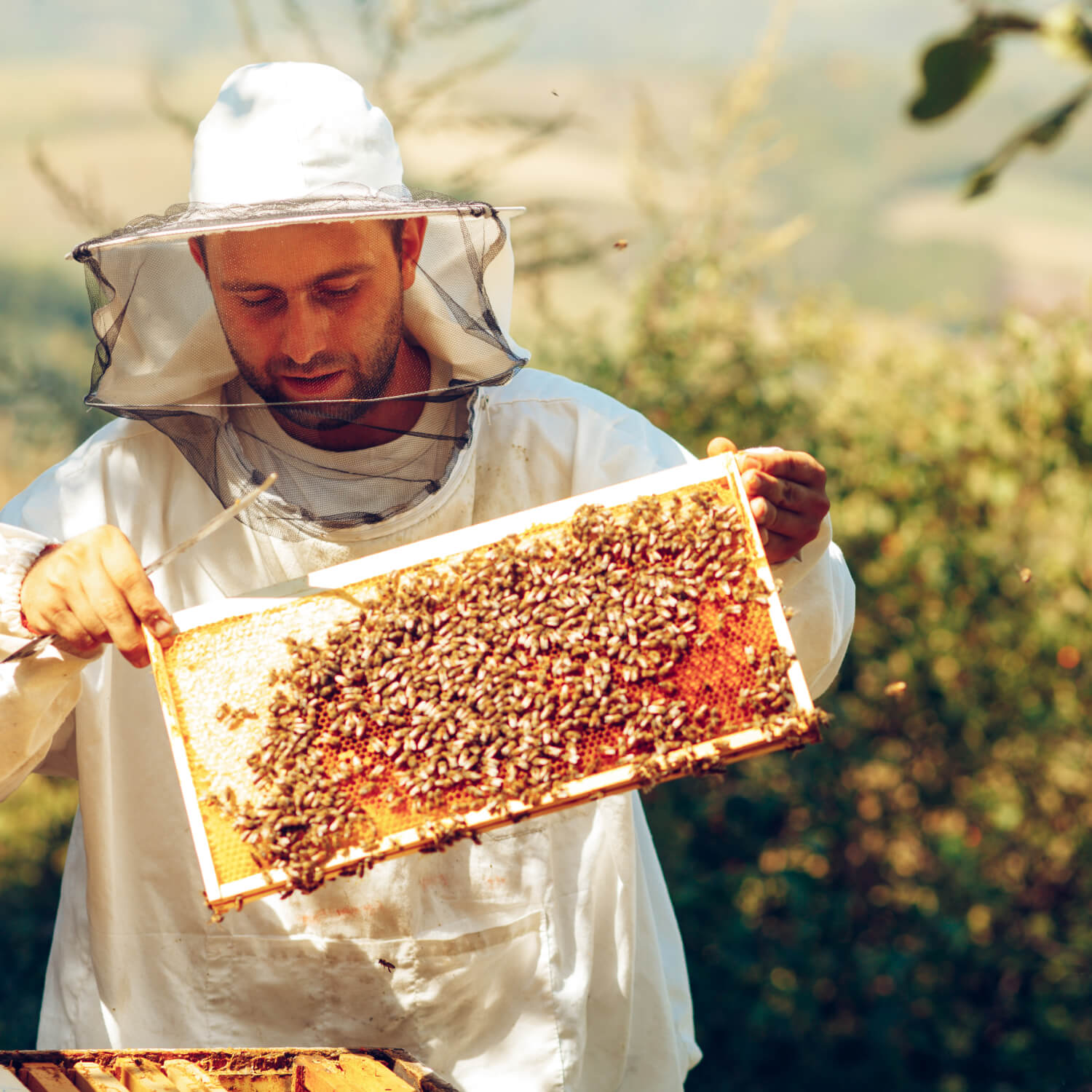
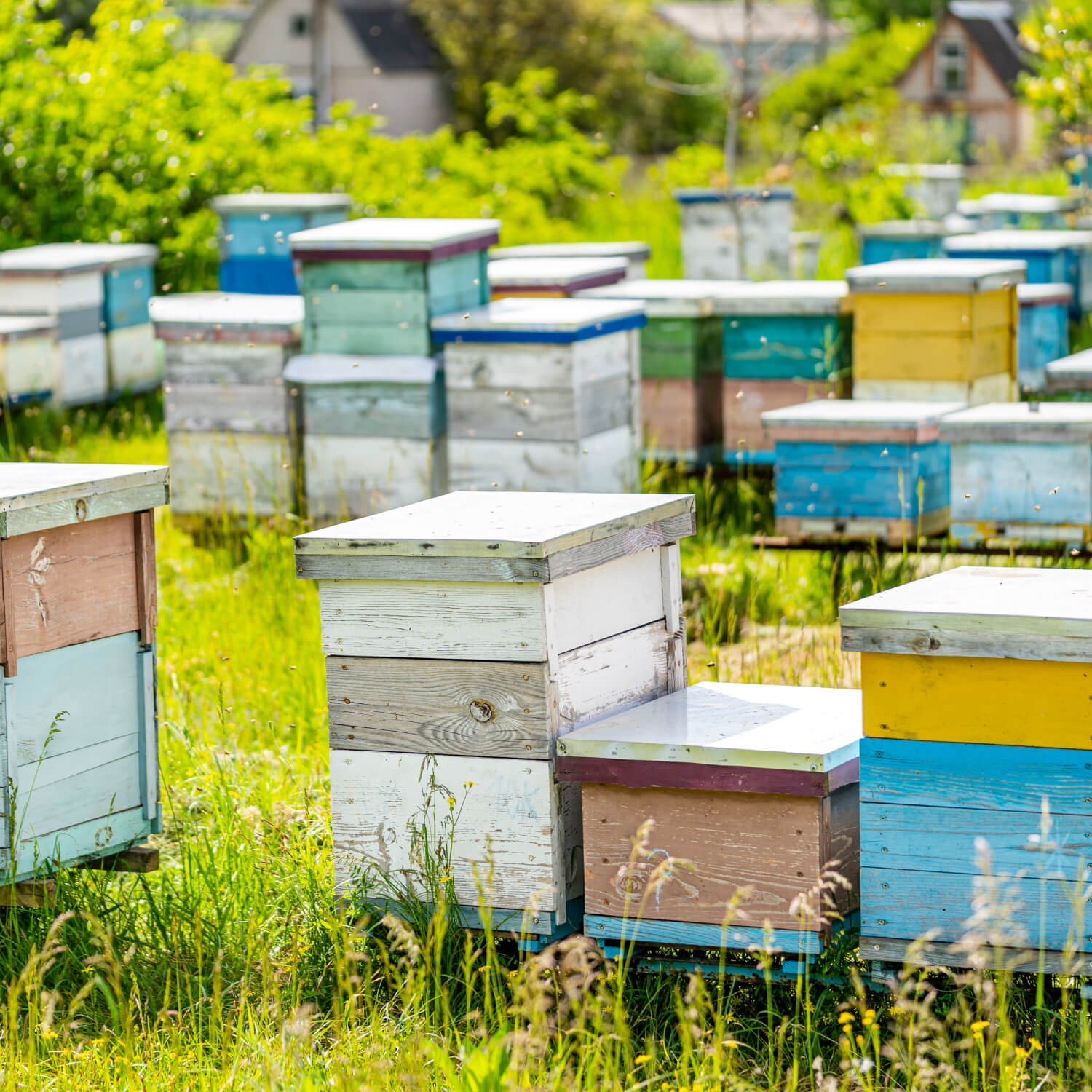
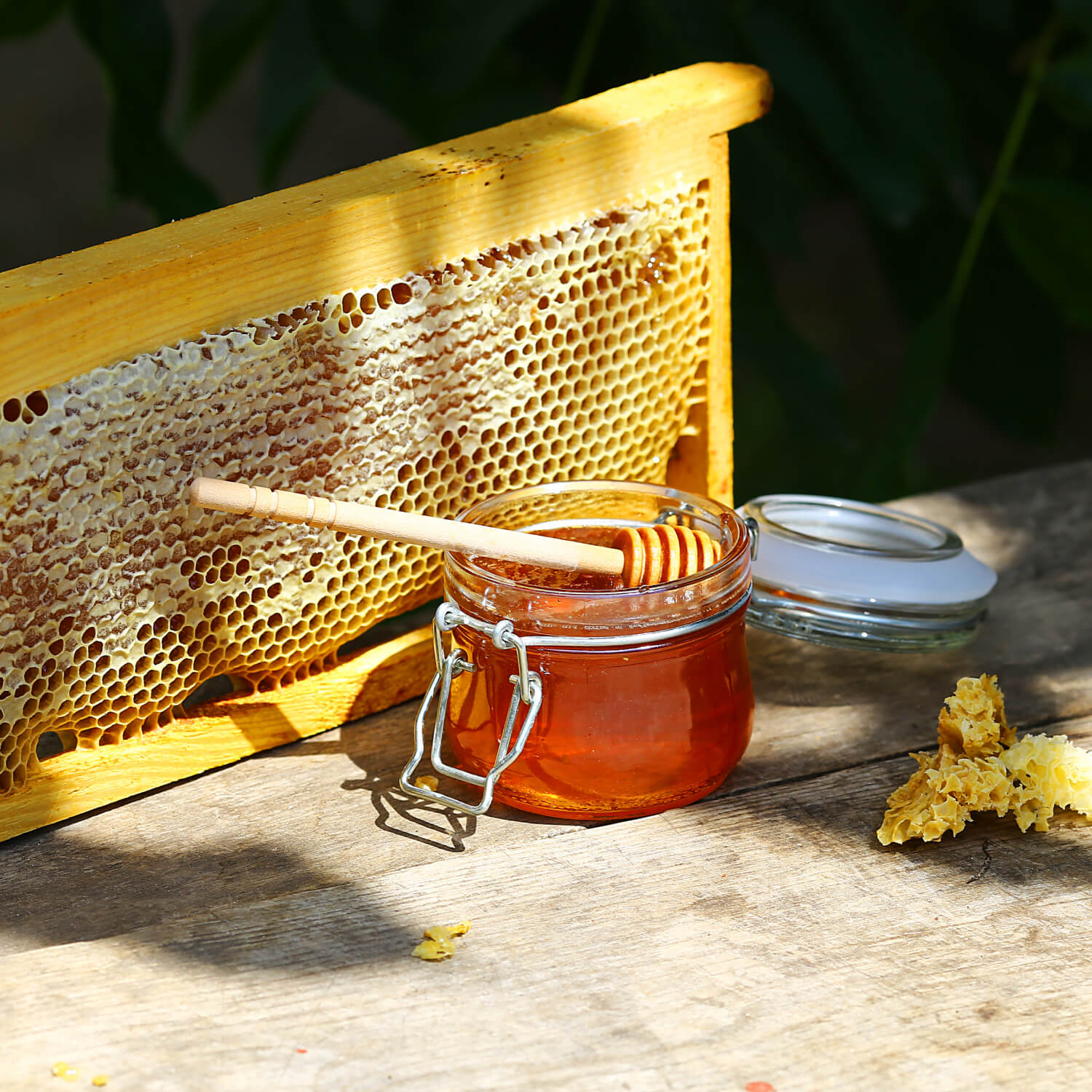
Starting with the right equipment makes all the difference. At Delta Bees, we recommend Kenyan top bar hives for beginners due to their simplicity and ease of management. Essential equipment includes a protective suit (jacket with veil, gloves), a smoker to calm bees, a hive tool for inspections, and a bee brush. As you advance, consider investing in honey extractors and frames for Langstroth hives.
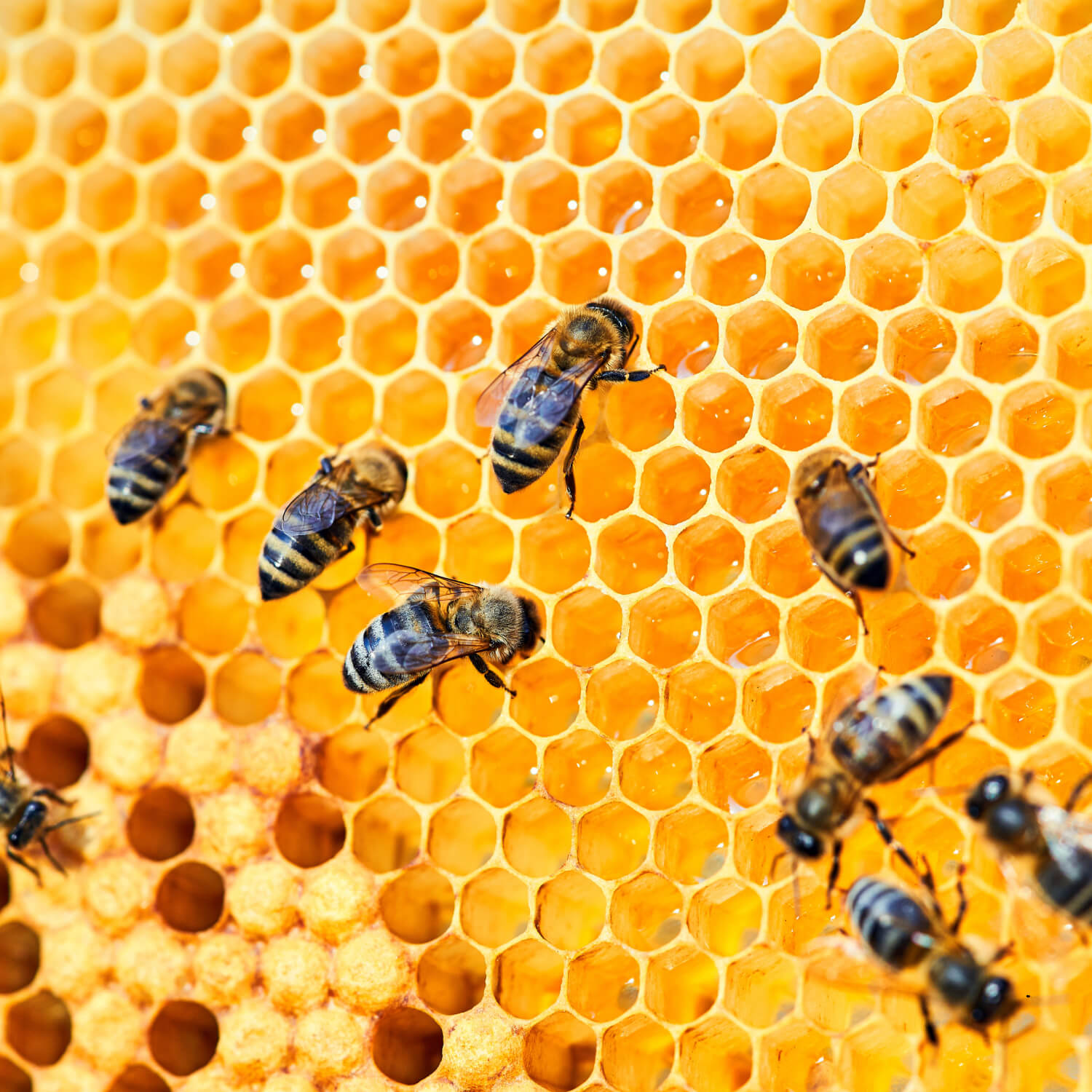
Purchase bees from reputable local suppliers like Delta Bees to ensure disease-free, well-adapted colonies. A strong colony typically contains 20,000-30,000 worker bees, a healthy queen, and adequate brood. We recommend starting with 2-3 hives to allow comparison and resource sharing if needed. Our training programs help beginners understand colony dynamics and health assessment.
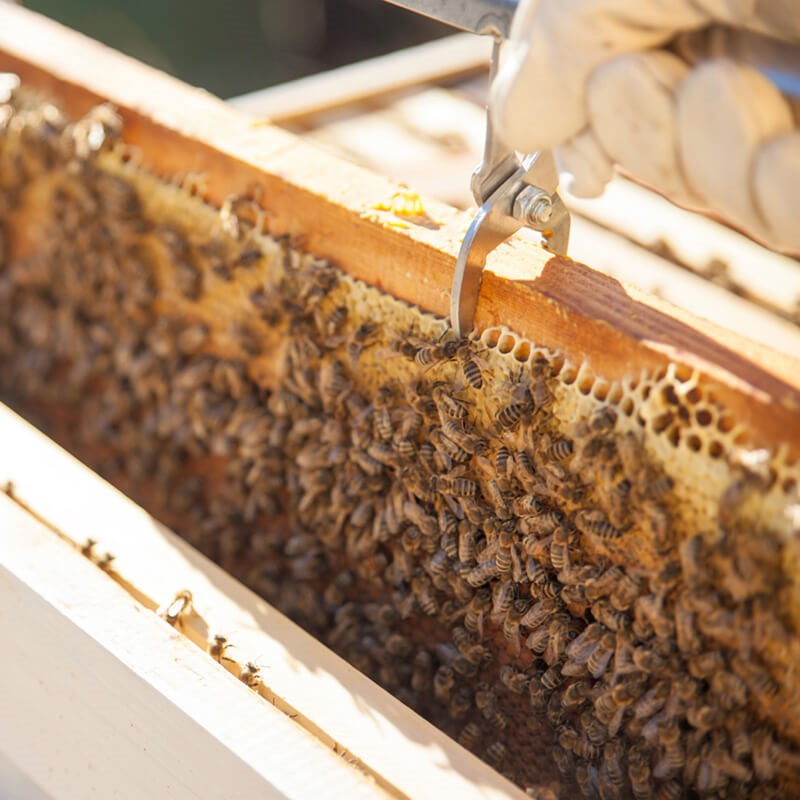
Regular hive inspections every 7-14 days help you monitor queen health, check for diseases, and prevent swarming. Learn to identify common pests like Varroa mites and small hive beetles. Maintain proper hive spacing (minimum 3 feet between hives) and keep your apiary clean. Join Delta Bees' training programs for hands-on experience with experienced beekeepers.
Harvest honey only when frames are at least 80% capped. In Uganda's climate, this typically occurs 2-3 times per year depending on flowering seasons. Always leave adequate honey stores (30-40 pounds) for the colony to survive dry periods. Use proper extraction methods to preserve honey quality—never overheat or over-filter. Our processing facility offers honey extraction services for smallholder farmers who want professional-grade results.
Your email address will not be published. Required fields are marked.

John Okello
This is incredibly helpful! I'm just starting my beekeeping journey in Katete-Mbarara. Do you offer beginner training sessions? I'd love to get hands-on experience before buying my first hives. Thanks for sharing these tips!
Delta Bees
Hi John, thank you for your interest! Yes, we offer comprehensive beekeeping training programs for beginners. Our next session starts on April 15th at our Katete-Mbarara facility. Please contact us at info@deltabees.org or call (+256) 789 391 533 to register. We look forward to welcoming you!